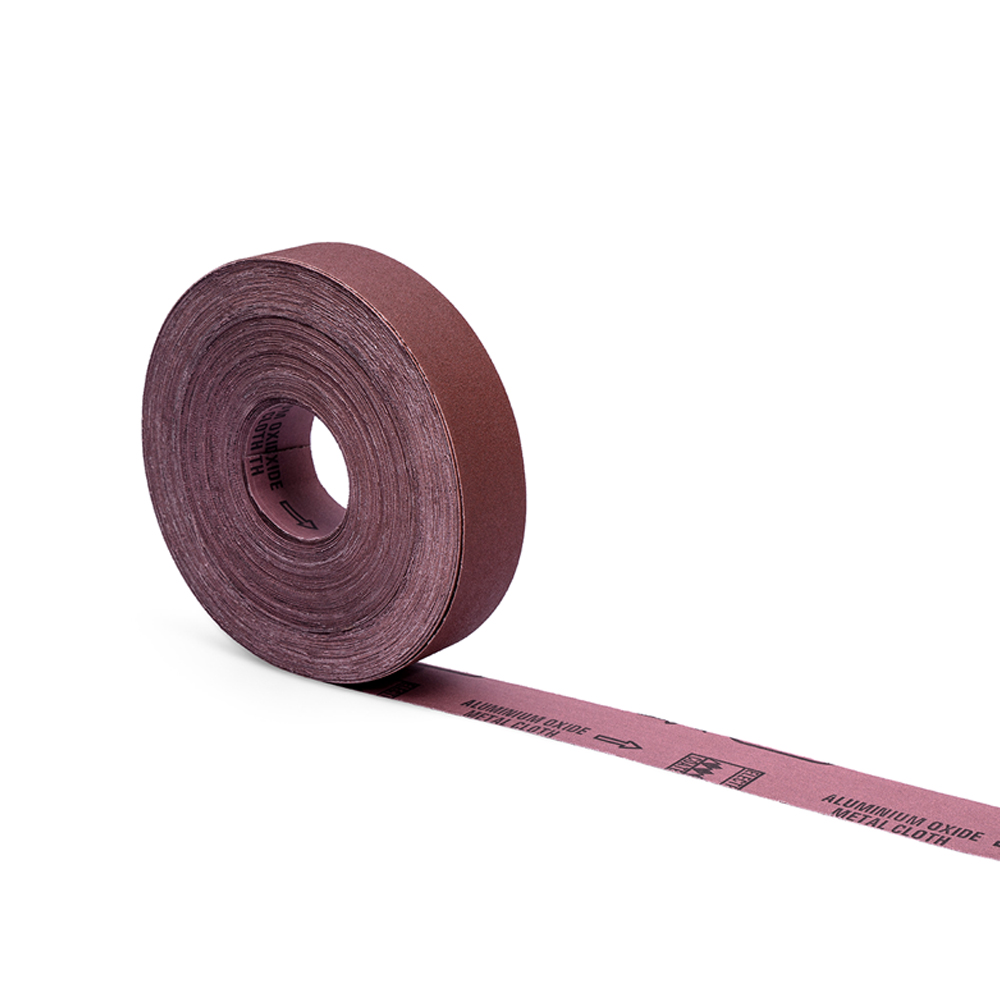
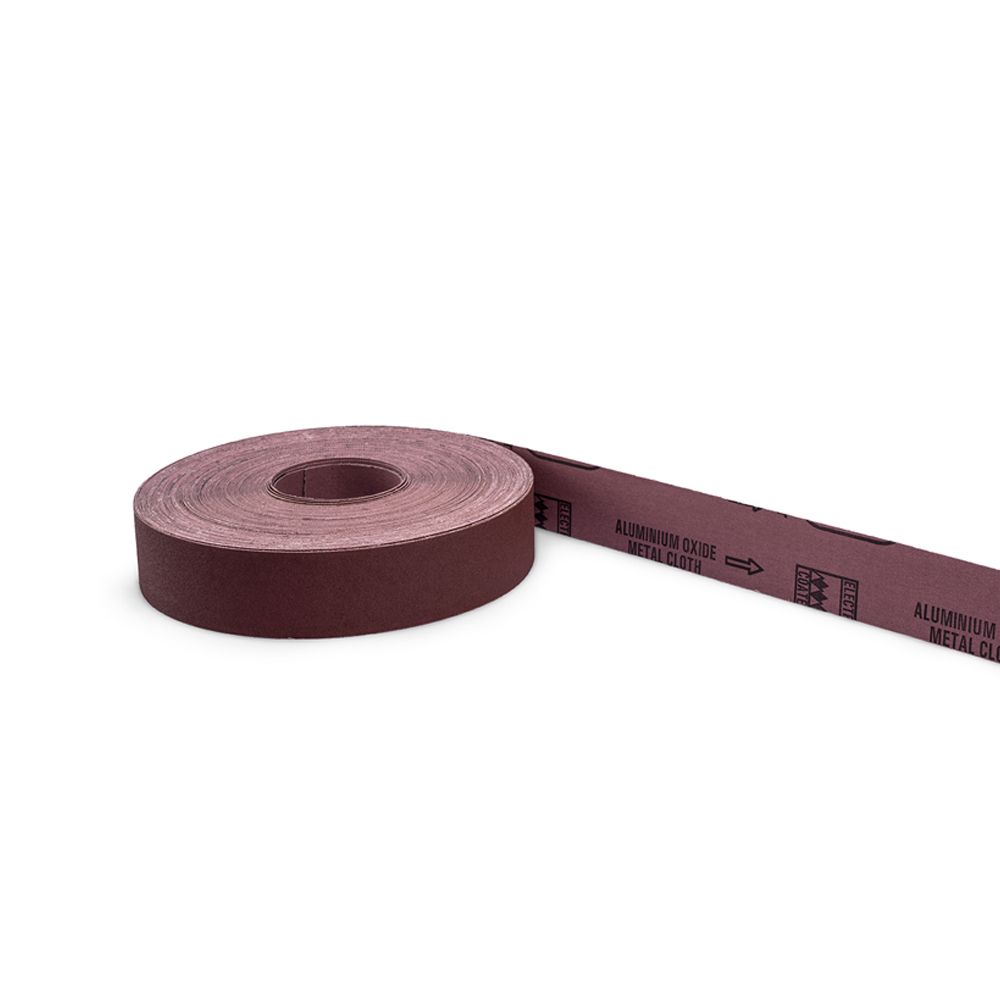
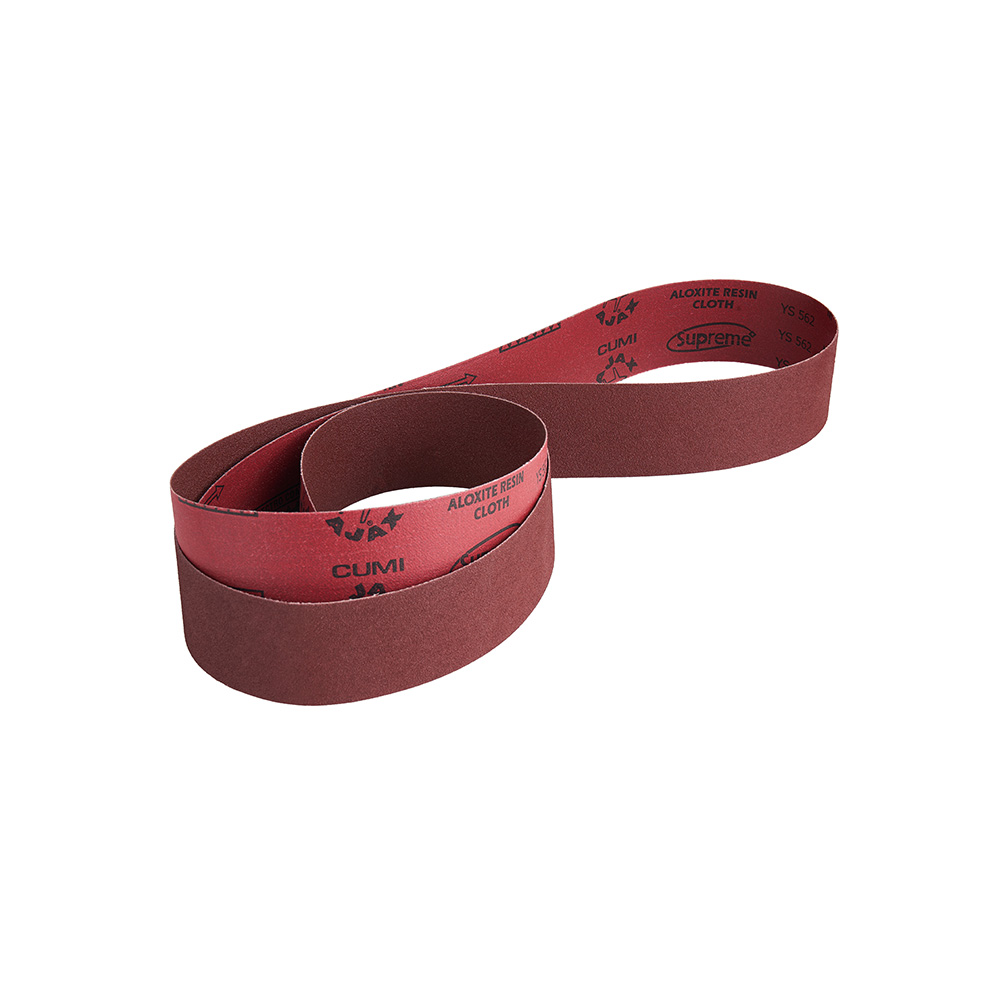
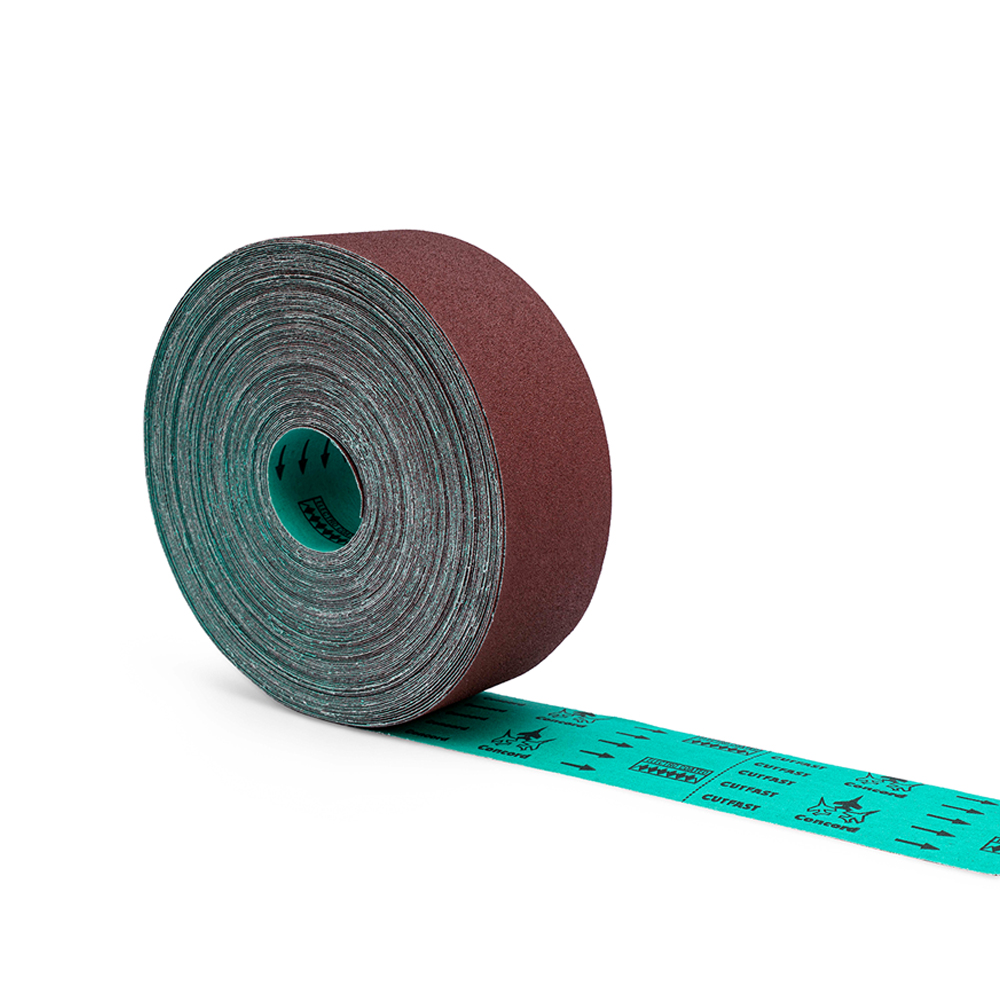
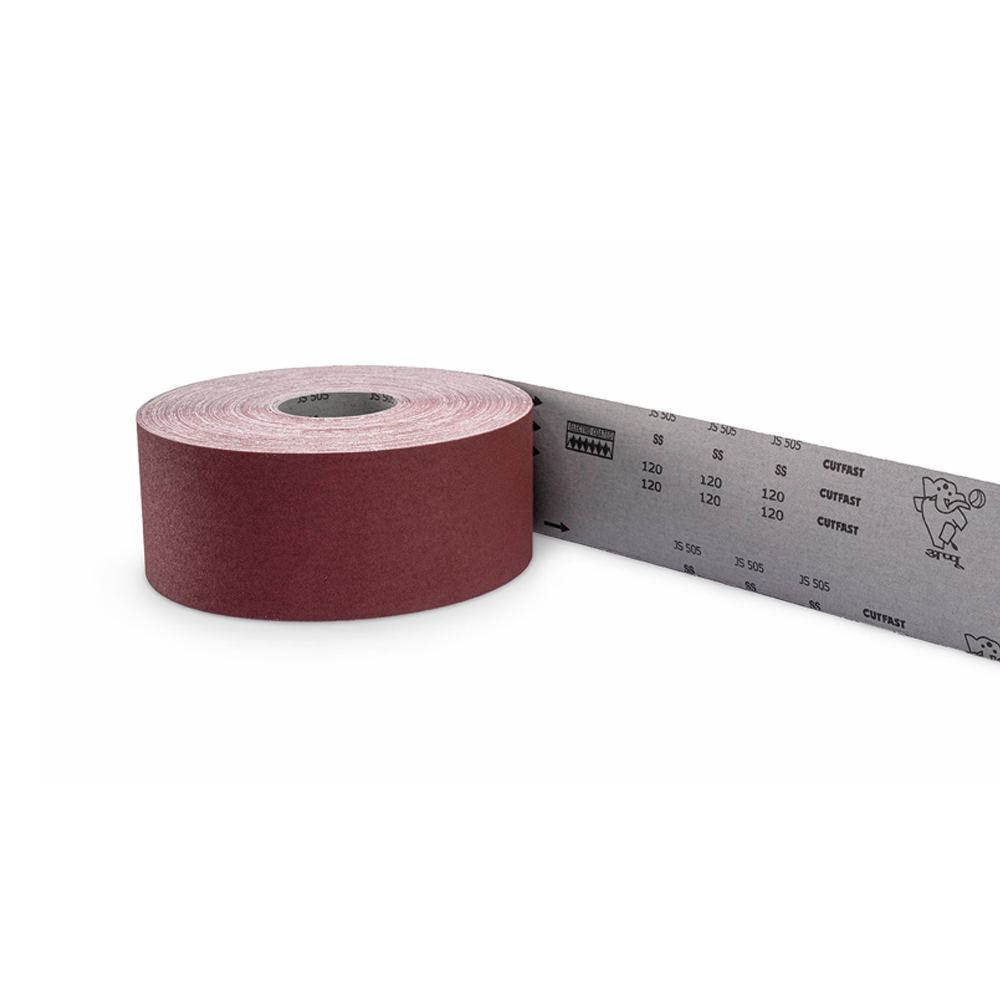
Jawan RMC Roll

“Jawan RMC Roll is a durable aluminium oxide cloth roll designed for professional sanding applications on wood, metal, and painted surfaces.


Manufactured using specially treated aluminium oxide grains, this sanding roll delivers fast cutting action with consistent material removal.


The flexible resin bond and cloth backing allow the roll to conform easily to curves, contours, carvings, and hard-to-reach areas.


Its semi-close coat structure helps reduce dust loading and clogging, improving sanding efficiency and surface quality.


Suitable for dry sanding applications, the roll provides excellent control during finish carpentry and industrial surface preparation.


Available in a wide grit range from coarse (36 grit) to fine finishing (400 grit), covering rough stock removal to smooth surface finishing.


Commonly used as a roll of emery cloth or sandpaper roll for woodworking, metal finishing, and paint removal tasks.


The sturdy cloth backing enhances durability, ensuring longer life even under demanding sanding conditions.


Ideal for professionals seeking reliable aluminium oxide cloth rolls for continuous sanding performance.


A versatile emery roll solution for workshops, construction sites, and industrial sanding operations.


Grit Ranges
36
50
60
80
100
120
150
180
220
320
400
Brand: Jawan

Additional Details

Usage Type of DRY
Shelf Life 2 YEARS

Product Uses

FAQs
01.
"Q1. What materials is the Jawan RMC Roll best used for? The Jawan RMC Roll is designed for wood, plywood, MDF and composite boards commonly used in carpentry, panel sanding and surface preparation. Q2. Can this roll be used with a belt sander or portable sanding machine? Yes — the RMC roll is compatible with belt sanders and contact wheel sanding machines, making it suitable for both manual and machine sanding. Q3. Does the Jawan RMC Roll prevent clogging during sanding? The specially formulated abrasive and backing help reduce dust buildup, so the roll sands more efficiently with less loading and fewer interruptions. Q4. Which grit should I choose first when roughing wood surfaces? For rough material removal, start with lower grits like 36 or 60; then progress to higher grits (80–120) for smoother finishes. Q5. Industry-Specific — Where is this product frequently used? It is widely used in the woodworking and furniture manufacturing industry for panel preparation, edge sanding and surface leveling. "

Related Products

Product Details Download